How to Cope With Loneliness During the Holidays
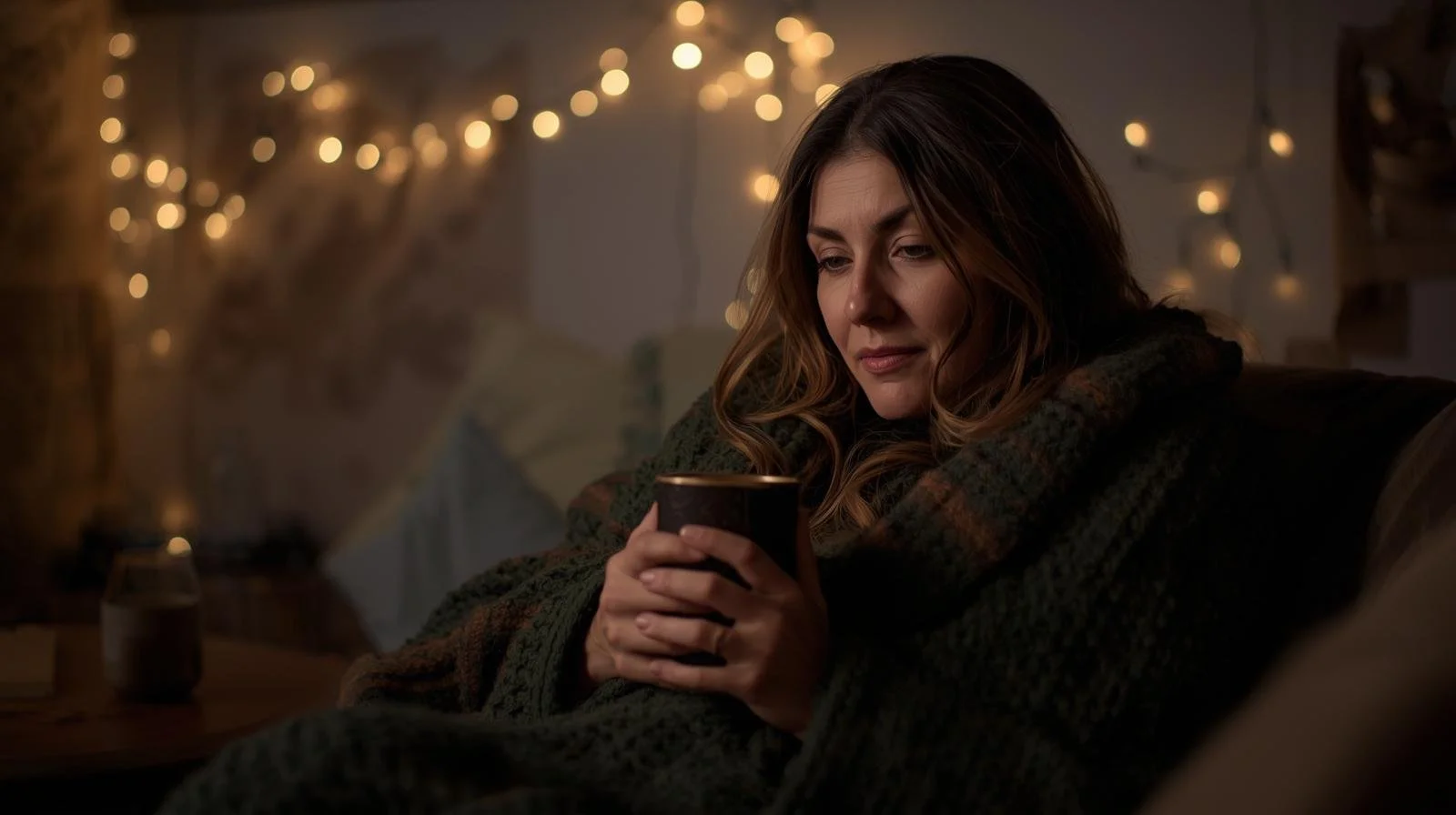
The holidays are often described as a time of joy, celebration, and togetherness. But for many, they can feel isolating. If you’re spending the season away from family, grieving a loss, navigating cultural differences, or simply feeling disconnected, loneliness can hit harder in December.
The good news? There are gentle ways to care for yourself and create connection, even when the season feels heavy.
Why Loneliness Feels Stronger in December
Loneliness can show up anytime, but the holiday season often makes it more visible. That’s because:
◦ Cultural and media pressure. Everywhere you look, the message is: “be merry.” That pressure can deepen the ache if you’re not feeling joyful.
◦ Social media comparison. Seeing others post about family gatherings or picture-perfect celebrations can make you feel left out, even if you know those moments are curated.
◦ Distance from family or community. Being far from loved ones; whether by choice, circumstance, or geography, can leave holidays feeling empty.
◦ Grief or complicated dynamics. For many, the season highlights loss or stirs up painful family memories.
◦ Shorter days and seasonal affective symptoms. Winter itself can make emotions feel heavier, leaving less energy to reach for connection.
Coping Strategies for Holiday Loneliness
There’s no single way to move through loneliness, but these practices can help soften the edges:
◦ Create your own rituals. Light a candle, cook a favorite meal, or take a reflective walk. Small rituals can ground you in comfort and presence.
◦ Reach out intentionally. Call a friend, join a community event, or schedule time with chosen family. Even brief connections can ease isolation.
◦ Limit comparison triggers. If social media intensifies loneliness, give yourself permission to take breaks from scrolling.
◦ Give back. Volunteering or acts of kindness can create a sense of purpose and connection beyond yourself.
◦ Allow rest. Sometimes the most healing response to loneliness is slowing down, letting yourself rest, and tending to your own needs with compassion.
When Holidays Highlight Cultural or Family Distance
For many first-generation adults and culturally diverse clients, loneliness during the holidays isn’t only about being alone; it’s about belonging. You may feel caught between cultural traditions, pressured to participate in ways that don’t fit, or disconnected from family practices that once held meaning.
Therapy provides a space to explore these layers, grieve what feels missing, and create new practices that feel aligned with your life now. You’re allowed to honor your roots while also building rituals that nurture your present identity.
How Therapy Can Help With Holiday Loneliness
Therapy offers support that goes beyond coping tips. It gives you a steady place to process loneliness without judgment. In sessions, you may:
◦ Process feelings of isolation and how they show up in your body and mind
◦ Challenge self-critical stories like “I should be happier” or “Something is wrong with me”
◦ Build intentional connections while setting boundaries with draining dynamics
◦ Practice emotion regulation tools to steady yourself in hard moments
For clients in Illinois and Michigan, therapy during the holidays often feels like having a supportive anchor; someone who validates the complicated mix of grief, pressure, and hope this season brings.
Gentle Reminder
Feeling lonely during the holidays doesn’t mean you’re broken; it means you’re human. You’re allowed to grieve, to rest, and to create a season that feels gentler for you.
Your peace matters as much as anyone else’s holiday cheer.
