Coping With Family Conflict During the Holidays
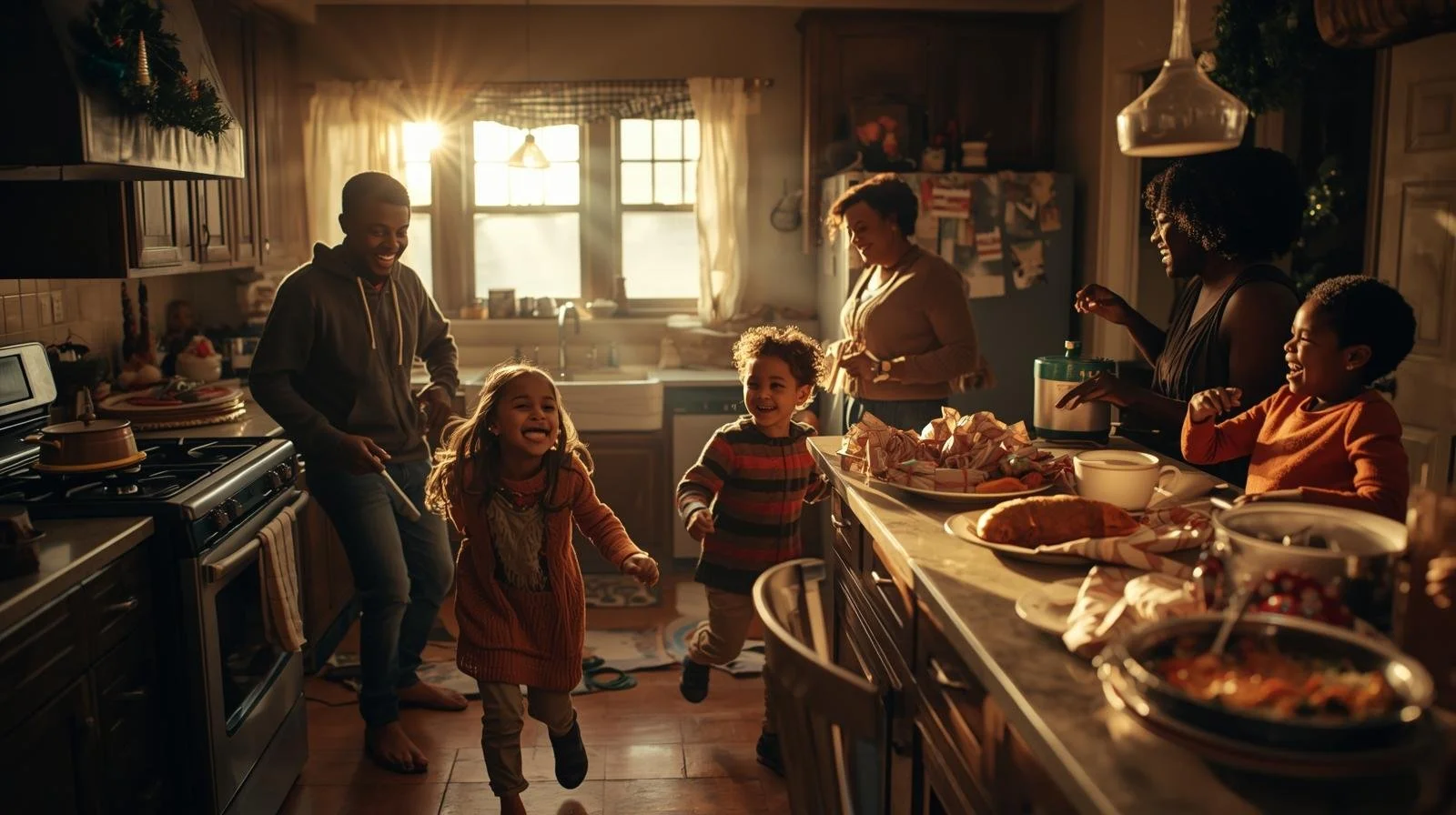
The holidays can bring people together; but they can also resurface old wounds, cultural clashes, and family dynamics that feel heavy. If gatherings leave you tense, walking on eggshells, or bracing for conflict, you’re not alone.
Family stress is one of the most common sources of holiday anxiety. The good news? With tools and support, you can navigate these challenges with more steadiness so the holidays don’t feel defined by conflict.
Why Family Conflict Flares in December
The holiday season has a way of amplifying old dynamics. Here are some reasons conflict tends to rise:
◦ Old patterns resurface. Family gatherings can reactivate roles you thought you’d outgrown; the peacekeeper, the “responsible one,” or the one who never measures up.
◦ Cultural or generational differences. Expectations around traditions, food, religion, or how you “should” celebrate can spark tension.
◦ High stress levels. Travel, money, and packed schedules make everyone a little less patient, raising the chance of arguments.
◦ Grief and change. Missing loved ones, blending families, or adjusting to new traditions can stir emotions that spill into conflict.
Recognizing Signs of Conflict Impacting You
Holiday family conflict doesn’t just happen at the dinner table; it lingers in your body and mind. You may notice:
◦ Feeling drained or anxious before gatherings
◦ Trouble sleeping during the holiday season
◦ Irritability or snapping at loved ones
◦ Replaying arguments in your head afterward
◦ Wanting to avoid family altogether
If these sound familiar, it’s a sign the stress is taking more of a toll than you may realize.
Coping Strategies for Holiday Family Conflict
While you can’t control how others behave, you can care for yourself in the process. Some gentle strategies include:
◦ Set boundaries. Decide ahead of time how long you’ll stay, what topics are off-limits, or how you’ll respond if things get tense.
◦ Take breaks. Step outside for a walk, offer to run an errand, or simply excuse yourself to a quiet room when you need space.
◦ Use grounding tools. Breathing exercises, mindfulness, or calming mantras can help regulate your body when conflict flares.
◦ Seek allies. Identify supportive family members, friends, or a partner who can be your anchor during tough moments.
◦ Release guilt. Prioritizing your mental health; whether that means leaving early or saying no to an event, isn’t selfish. It’s essential.
When Family Conflict Is About More Than Holidays
Sometimes conflict isn’t just seasonal. It may connect to deeper family wounds, trauma, or identity struggles. For many adults in Illinois and Michigan, holiday gatherings highlight ongoing challenges like:
◦ Generational differences in values or expectations
◦ Tension around cultural or religious practices
◦ Old patterns of criticism, favoritism, or unresolved hurt
◦ Feeling like you can’t fully show up as yourself around family
Therapy can help you unpack these bigger stories, offering tools to manage family dynamics not only in December, but year-round.
How Therapy Supports You Through Family Stress
Therapy isn’t about changing your family; it’s about giving you the tools and support to navigate conflict with more steadiness and less guilt. In sessions, you might:
◦ Process emotions stirred up by family dynamics
◦ Learn boundary-setting skills that feel firm but respectful
◦ Untangle cultural or generational pressures that shape expectations
◦ Build a plan for handling gatherings in ways that feel sustainable for you
For many clients, simply having a safe space to talk through complicated family feelings makes the season feel lighter.
Gentle Reminder
It’s okay if your holiday doesn’t feel picture-perfect. Family conflict doesn’t define your worth or your ability to celebrate the season in a way that feels gentler and truer to you.
You are allowed to step back, set boundaries, and create holiday moments that nourish rather than drain you.
